Agriculture |
Irrigation |
Health |
Environment |
Women & Children |
Income Generation
|
|
W
e have taken a systematic approach to education which is a vital factor in rural
development and our focus has been towards improving the quality of education and teaching imparted to rural
children. We are committed to working within the governmental school system rather than setting up an
alternative or parallel school system. Our focus has been on assessing the current system and ascertaining
what are the areas that are most in need of help. Rather than investing in tangible hardware we have attempted
to invest in software, the less glamorous but more important aspects of education including teachers training
workshops, mobile libraries and mobile laboratory, organising balwadis, QAPS, adult literacy programmes, project
Education - which is a study to improve the quality of education and to provide better infrastructure to
schools. The foundation has started a Para Professional Social Work Course to train citizens for community
welfare and to work at the grass roots level.
|
|
R
ecognizing that the early formative years are important we have set up balwadis
(infant schools) in villages and provided toys and teaching aids for the children. The balwadis besides being
a center for learning at nursery level are also providing nutritional supplementary diets to the children.
The teachers of these balwadis are exposed to innovative teaching techniques by trained personnel who conduct
training sessions on behalf of the foundation.
|
|
|
|
O
ne of our innovative schemes has been to set up Mobile Libraries and Mobile
Laboratories that reach village schools. Rooted in the belief that the early development of a love for
reading and writing is crucial in encouraging the learning potential of a child, this scheme launched now
reaches primary level schools in two districts bringing them otherwise unavailable resources. We also include
resource books for teachers in these boxes of books which are rotated between schools every two weeks.
|
|
M
ost schools in our areas of operation do not have the facilities or infrastructure to
teach science subjects effectively. Children may learn about science without ever having seen an experiment or often
even a model of the human functional systems. Working with the syllabus of the secondary schools we have tried to
provide some basic materials such as lab equipment, chemicals scaled models etc. so that children can have a fuller and
more hands-on understanding of science.
|
|
|
|
V
ery recently we have initiated a novel concept to improve the quality of education by
introducing our latest program called as "Project Education". We have been directing our efforts towards primary
and secondary education but we are aware that our efforts are a drop in the ocean. We need to narrow down our
objectives and monitor those areas that will improve the standard of education With these issues in mind we have
launched an intensive study, to study the interventions in rural education. The study involves 6 schools- 4 primary
and 2 secondary schools located in rural areas.
|
|
O
ne of the efforts of Project Education is to motivate teachers and reward them with
praise and recognition. Thus each school will be given a monthly allowance to be spent at their joint discretion.
The teachers will be told to prioritize their needs and that of the students to improve the standard of education
and that of their school. The teachers will be encouraged to suggest innovative means that will help them make
better teachers and also discuss their problems and solutions.
|
|
Some Milestones..........
|
|
T
he foundation has established 11 Balwadis in its villages and as part of this effort
trained 25 rural women to work with pre schoolers.
|
|
|
|
T
he mobile library reaches 30,000 children while the mobile laboratory is currently
available to 1200 children.
|
|
A
s part of our infrastructure improvement, we have built a new 8 room school in Gujarat,
re-roofed two schools in Maharashtra and generally contributed fans, cupboards, furniture, water containers, toilets
etc. to both primary and secondary schools.
|
|
|
|
O
ur teacher training initiatives that attempt to reinforce teachers preparation in
subjects like English and Maths has worked with over 300 teachers.
|
|
T
he principle objective of the Gharda Foundation is "To carry on activities for the
benefits and development of residents of rural India by application of all suitable means available with focus on
issues like health, literacy, non formal education, social awareness, agriculture, technical education etc. on its
own or by joining hands or by helping like minded NGO's ".
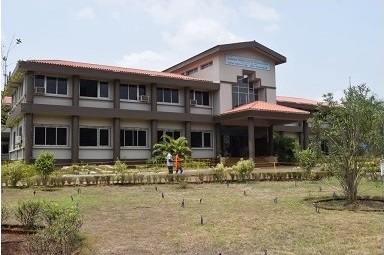
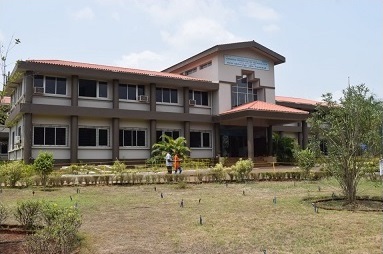
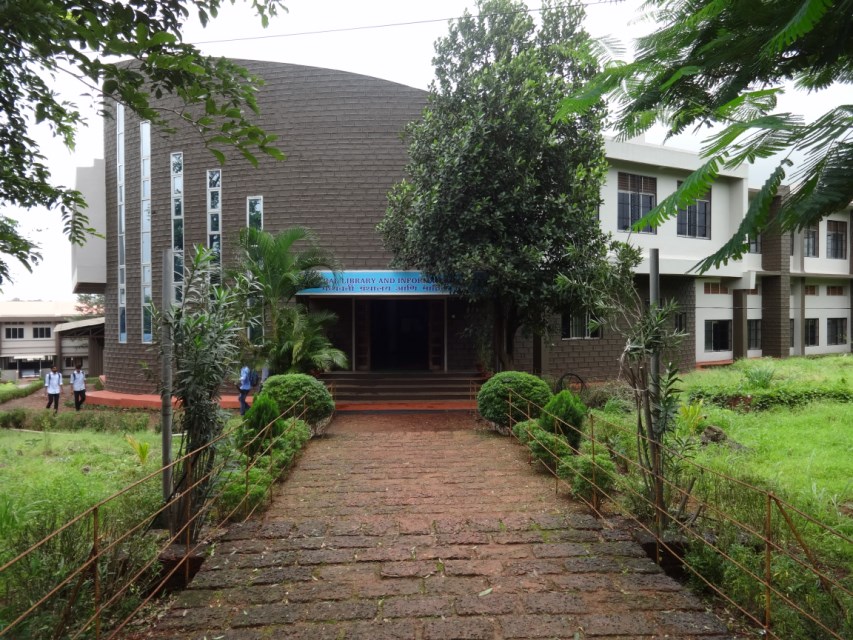
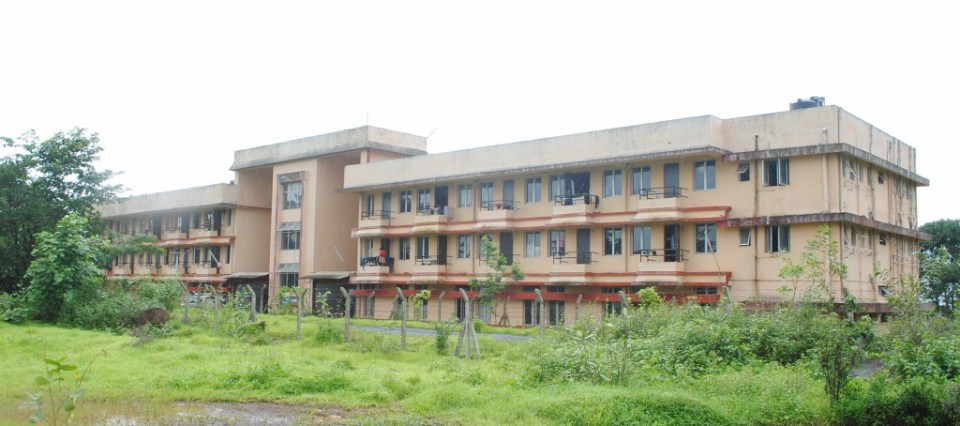
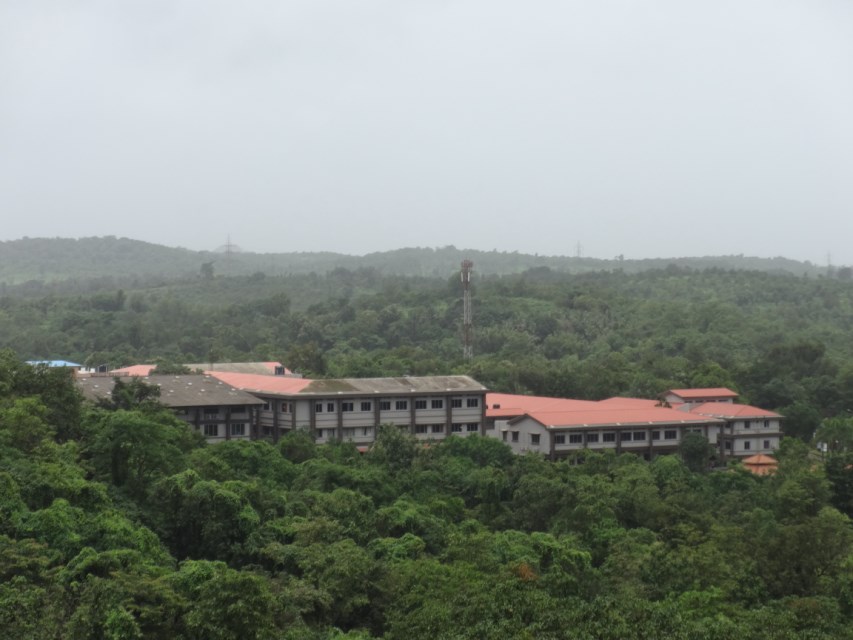
Establishment of Gharda Institute of Technology in a
typical rural sector is also a step in line with the philosophy of Gharda Foundation.
|
|
|
E
ducation assistance activities.
1. School Building Construction.
2. School Area Developement .
3. 10 th education.
4. Teacher Awareness.
5. Self Governance Scheme
|